Most hydraulic cylinders do not wear out on their own. They fail because the oil is dirty, because a rod is damaged and nobody noticed, or because a worn pin puts a side load on the stroke. All three show up long before the first leak, provided someone looks at the right places at fixed intervals. This is what a maintenance routine for cylinders in service should cover.
Build the schedule around the machine
A schedule that is too long does not get done, so keep it short. In practice it splits into three levels.
Every shift. Walk around the machine. Look for a wet rod, an oil film on the gland, drips under the cylinder, loose guards and missing grease nipples.
At the interval in the machine manual. Change the oil and filters, take an oil sample, check the mounting pins and bolts, grease every joint.
At a planned stop. Go further: examine the rod over its full stroke, check play in the eyes and spherical bearings, and replace seals on cylinders that are near the end of their life.
Write down what you find, not only that the check was done. Several entries show a trend. One failed inspection shows very little.
Oil cleanliness comes first
Contamination is behind most hydraulic failures. Hard particles score the rod and cut seal lips. Water in the oil attacks steel parts and ages the seals.
- Follow the oil and filter intervals in the manual. In dusty or wet conditions, change them earlier.
- Fit return and pressure filters with a differential pressure indicator. A clogged element opens the bypass valve, and from then on unfiltered oil goes straight to the cylinder. Change the element as soon as the indicator shows clogging.
- Fill and top up through a filter.
- Check the tank breather. On many machines a blocked or missing breather is the main way dust and moisture get in.
- Where the system allows, track cleanliness class to ISO 4406. It is written as three numbers, for example 18/16/13, giving particle counts at three sizes. Lower numbers mean cleaner oil. The target comes from the machine or component manufacturer.
Inspecting the rod
The rod is the one part of the cylinder you can see, and it shows what is happening inside. Inspect it over the whole stroke in raking light and run a fingertip along it. Look for three things.
Pitting. Small pits in the chrome point to moisture, either in the oil or in the working environment. Once the coating is broken, corrosion spreads under it.
Wear on one side only. This is side load: misalignment, worn pins or a bent mounting. Left alone, it wears out the rod seal and the guide bush.
Longitudinal scratches and chipped chrome. Abrasive particles in the oil, impact or weld spatter are the usual cause. Even a shallow scratch you can feel with a fingertip will wear a seal lip quickly.
If the check shows damage, the cylinder comes off the machine and is disassembled. Find the cause first, then fit a new rod or seal. If the side load or the contamination stays, the new part fails the same way.
When the machine stands idle. Park it with the rods retracted wherever the design allows, so the chrome is not left to dust and weather. For cylinders in storage, plug the ports, keep them filled with clean oil, coat any exposed rod with preservative grease and cover it. Store cylinders supported, not leaning on the rod.
Seals, joints and spares
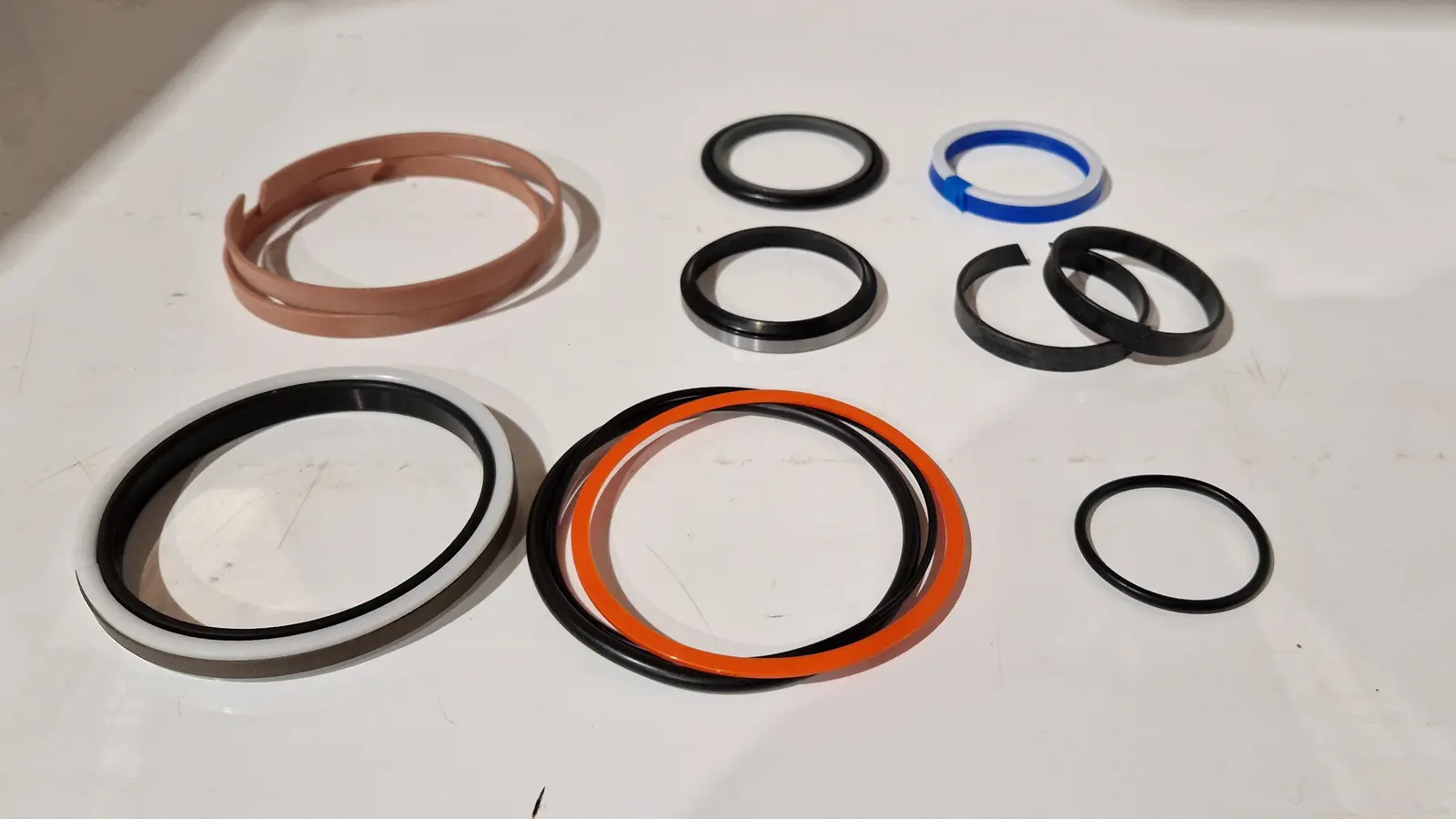
Seals are wear parts, and replacing them costs little next to a machine standing idle. Keep a complete seal set on site for each cylinder type: rod seal, wiper, piston seals, guide rings, O-rings. Replace them at planned stops. Whenever the rod seal is changed, fit a new wiper with it.
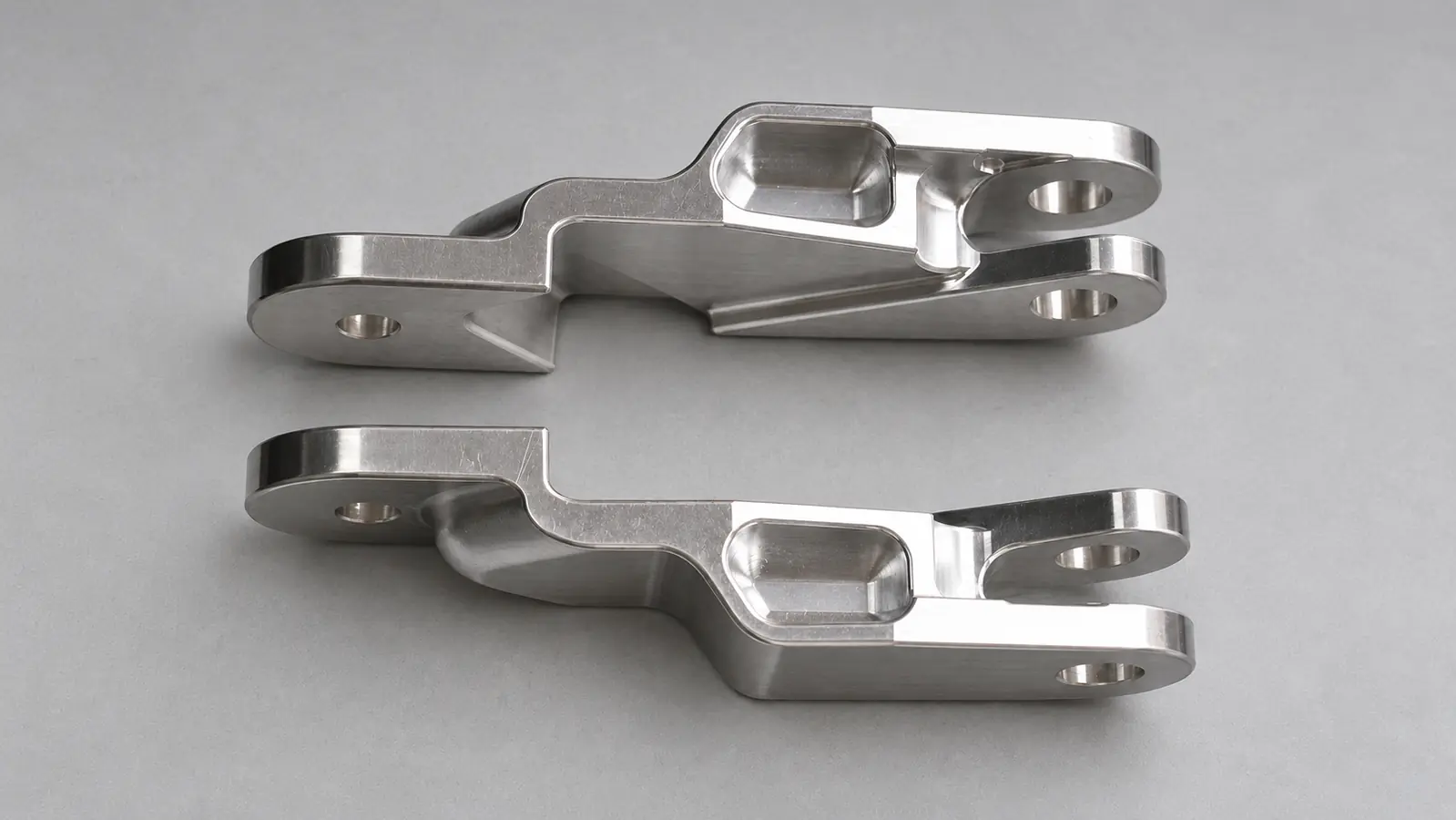
Mounting points need the same attention as the cylinder body. Clevis eyes, brackets, pins and spherical bearings wear slowly, and what you get is play and skew. A cylinder that was straight when new starts working at an angle, and one side of the rod and the guide takes the load. Grease the joints at the manual's interval, measure the play, and replace worn bushings and pins before they ovalise the eye.
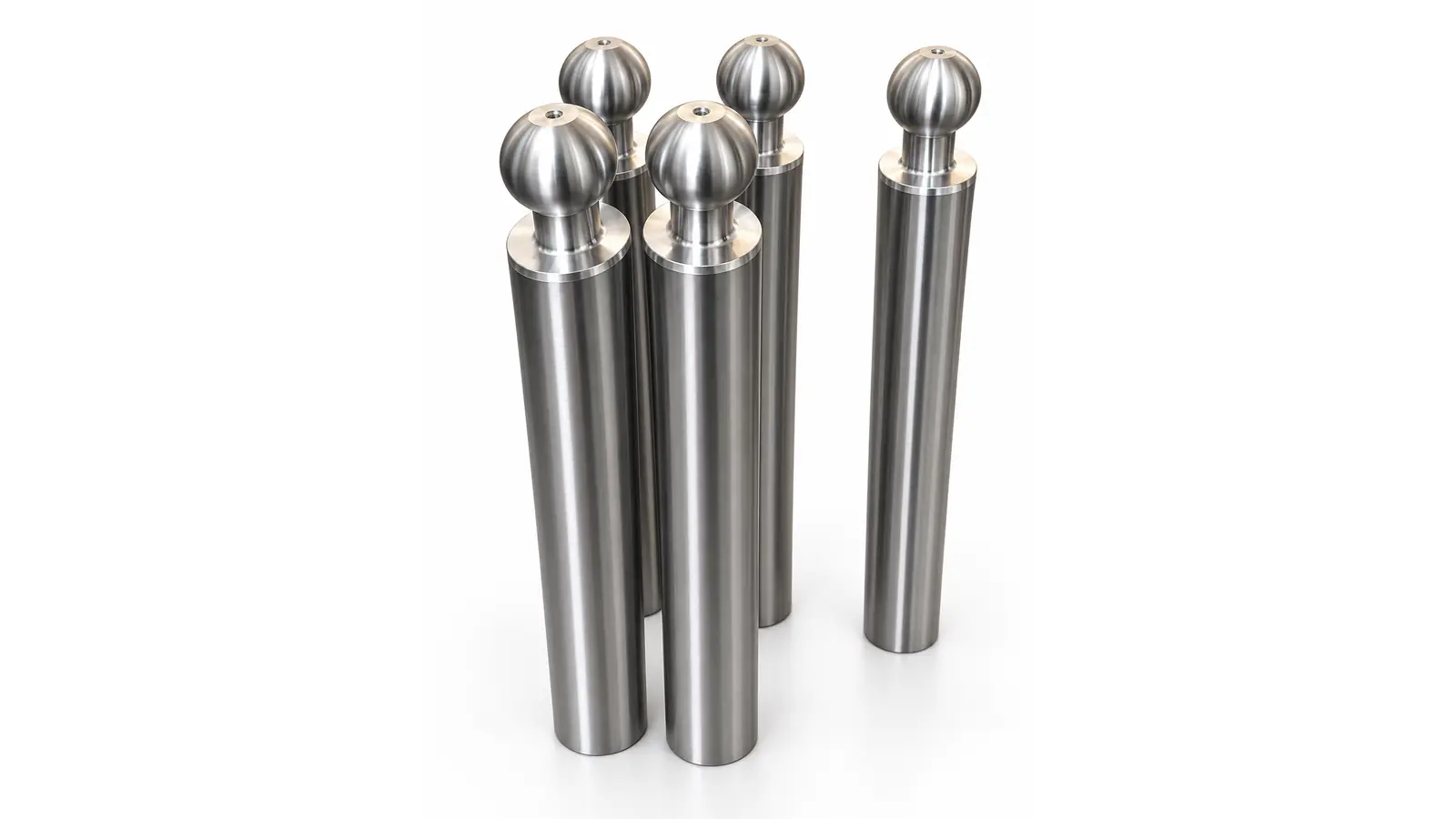
BHA makes hydraulic cylinders and their parts in its own plant. For service work we can make a new rod from hardened steel with a chrome layer of at least 25 µm, or with nickel and chrome up to 70 µm, and other cylinder parts to your drawing or sample. We also supply spare parts and remake parts from archived documentation.
What to include in your request
- Cylinder type and application, working pressure
- Bore diameter, rod diameter, stroke and mounting type
- Which part you need: rod, seal set, eye, pin or bushing
- The failure you saw: scoring, pitting, bending, play
- A drawing, a sketch or the worn part itself as a sample, plus photos
Send these details through the contact page and we will tell you what we can make or supply.