Casting of steel and iron
We cast housings, rings, flanges and blanks of complex geometry in steel and iron – followed by CNC machining to drawing tolerances.
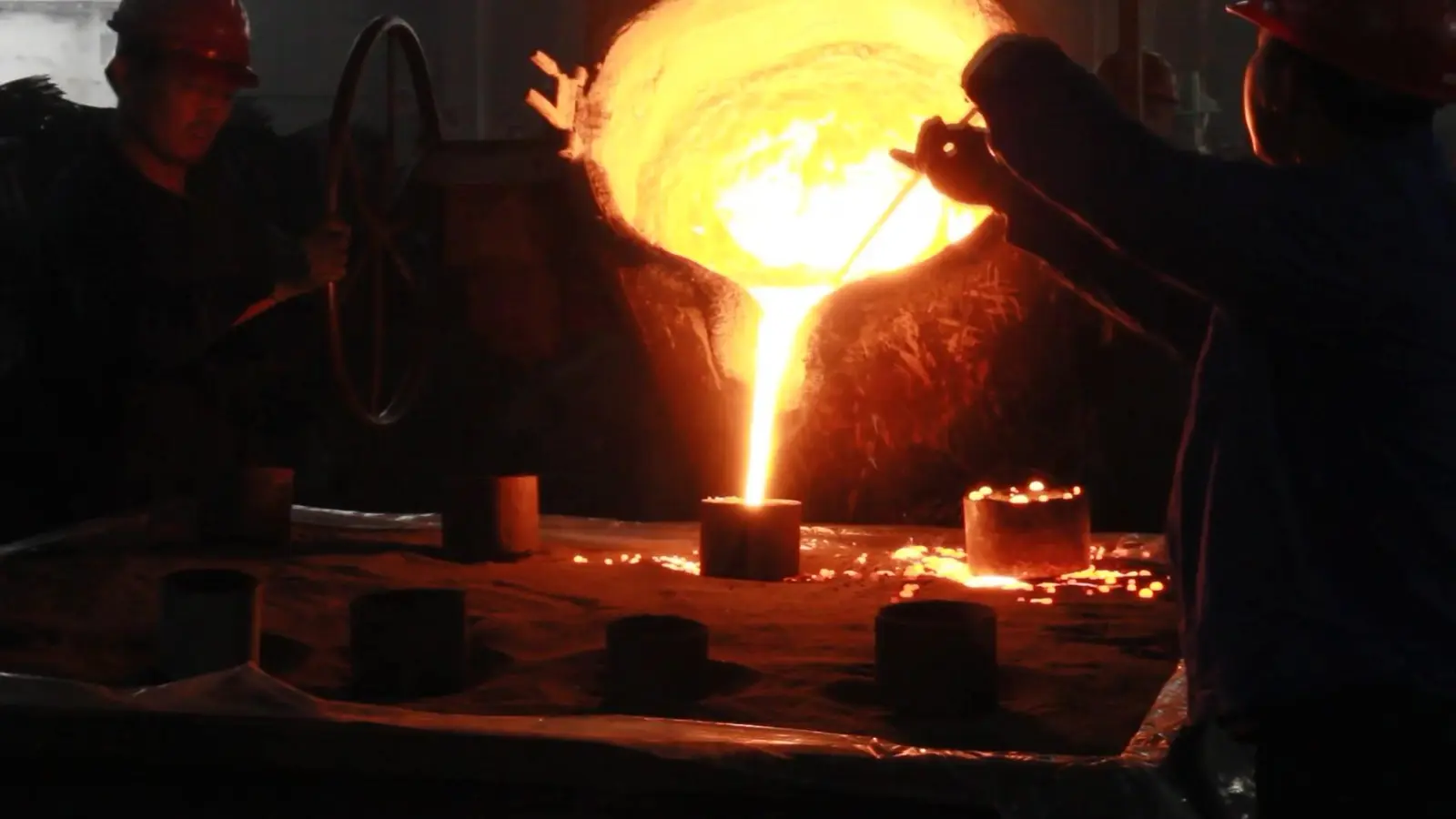
Casting methods
We match the casting method to the job – from one-off large castings of complex geometry in sand moulds to accurate series blanks in permanent moulds and by the lost-foam process.
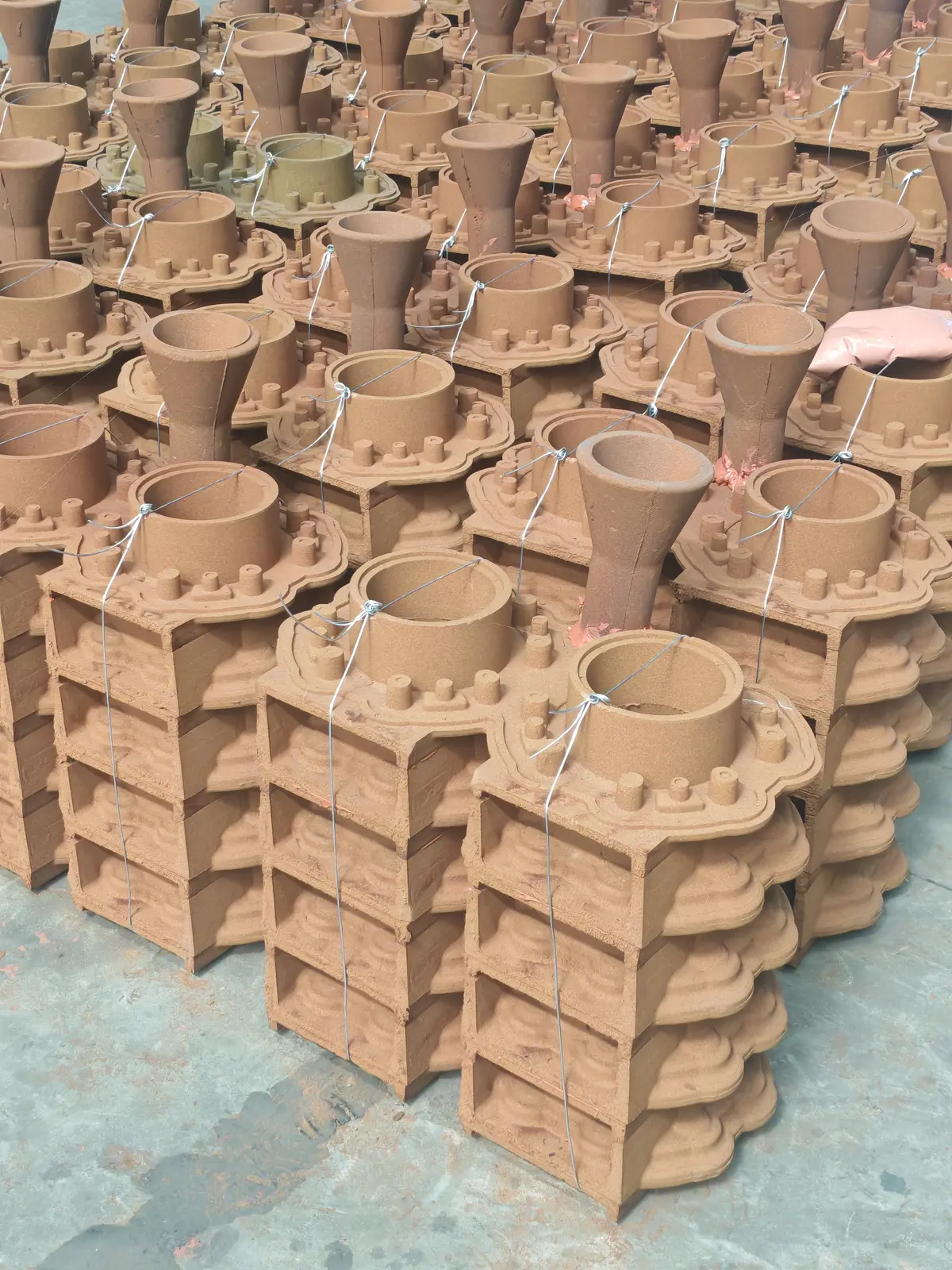
Green-sand and chemically bonded sand moulds
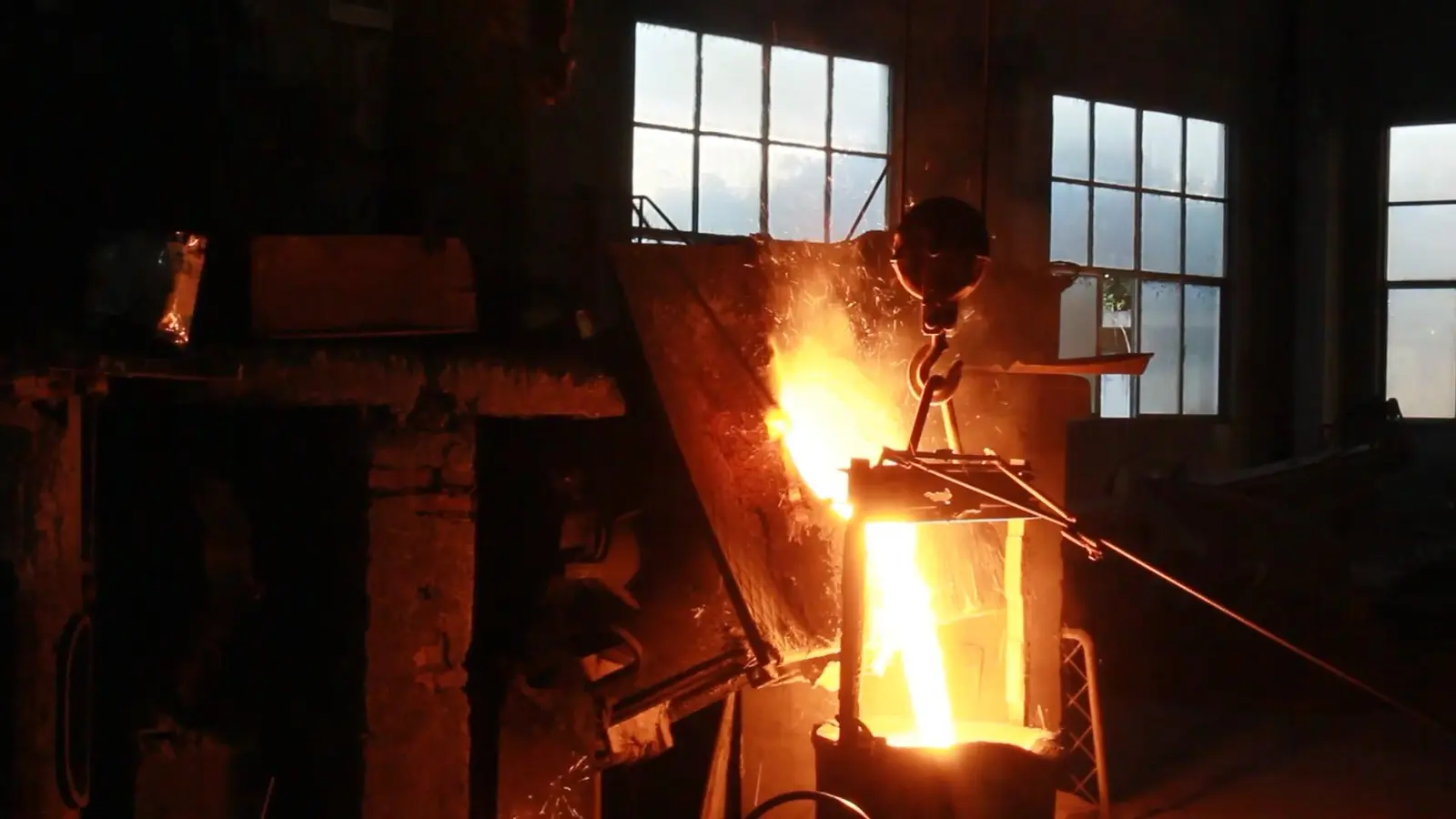
Permanent-mould and lost-foam casting
Alloys and product range
We cast parts in steel and iron to the customer's drawing – from one-off housings to series batches. The alloy grade is selected to suit the part's operating conditions.
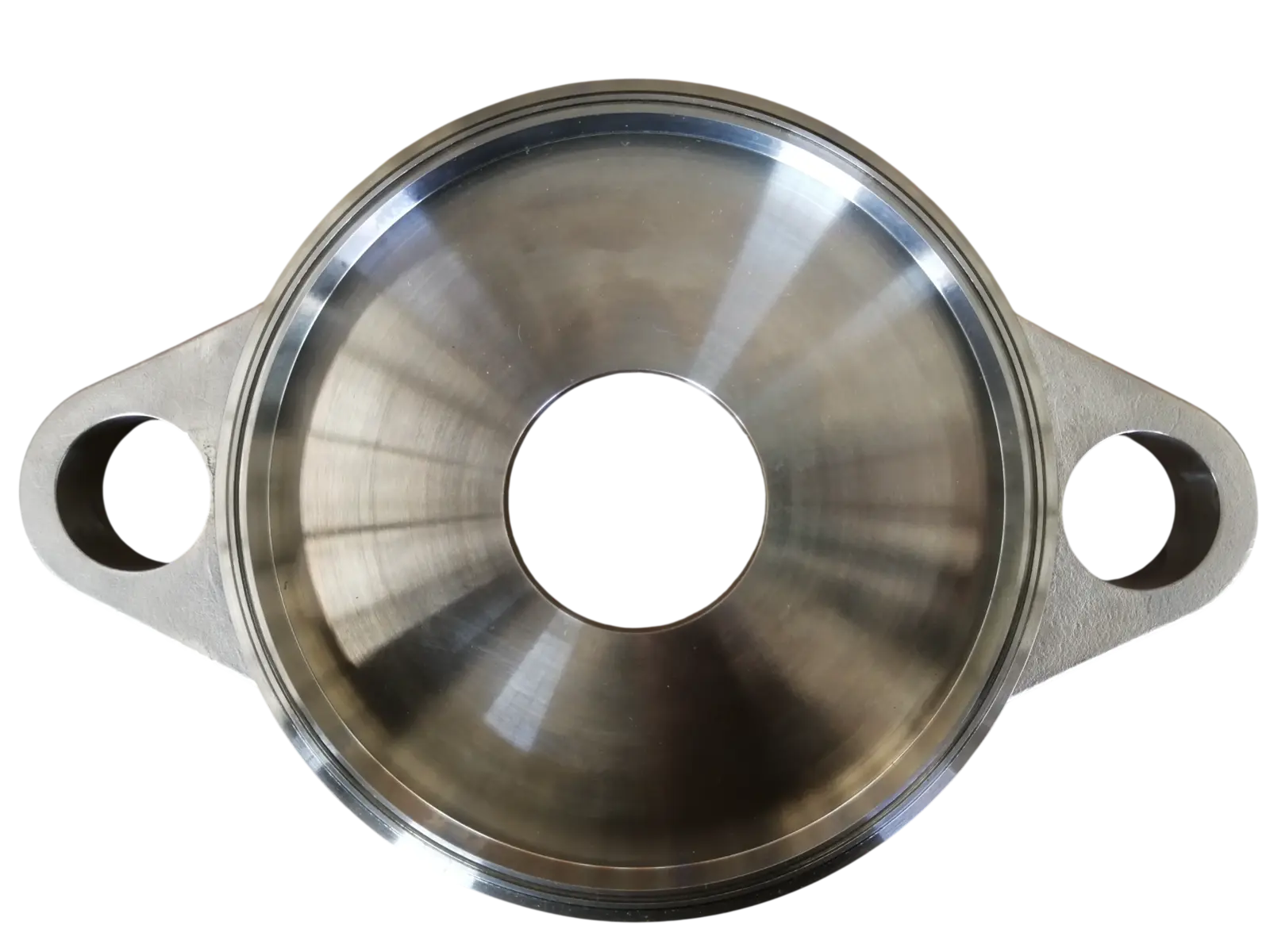
Heat treatment and machining
After casting, the blanks are heat treated to relieve internal stresses and then finish machined on CNC machines to drawing tolerances.
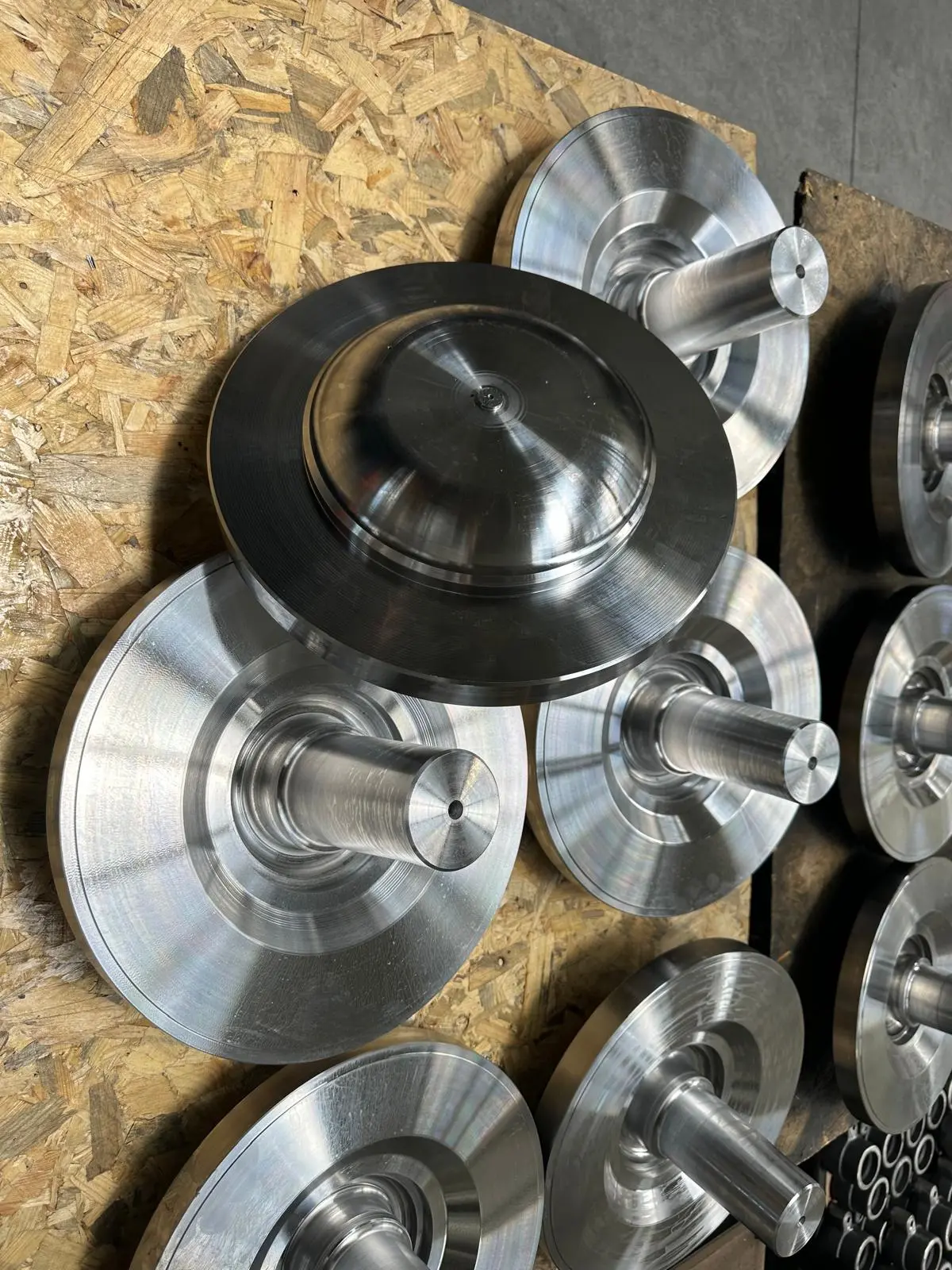
Advantages of casting
Casting produces shapes that no other metalworking method can reach, and it remains the cost-effective solution for series production of complex parts.
01Complex cavities and shapes
Geometry that machining cannot achieve.
02Large dimensions
Castings weighing up to 2000 kg.
03Cost-effective in series
Lower unit cost in series production.
04Wide choice of alloys
Matched to operating conditions: wear, corrosion, impact loads.
Send us your drawing – we will quote your casting
DXF, STEP, PDF or a photo with dimensions. Reply within 1 working day.