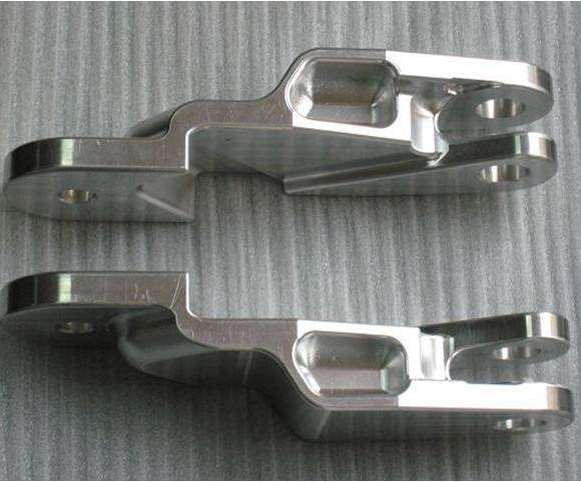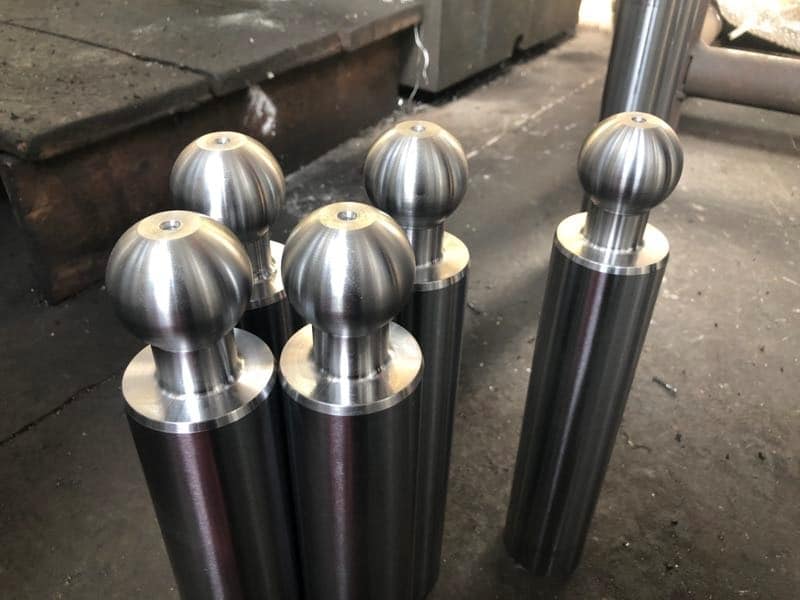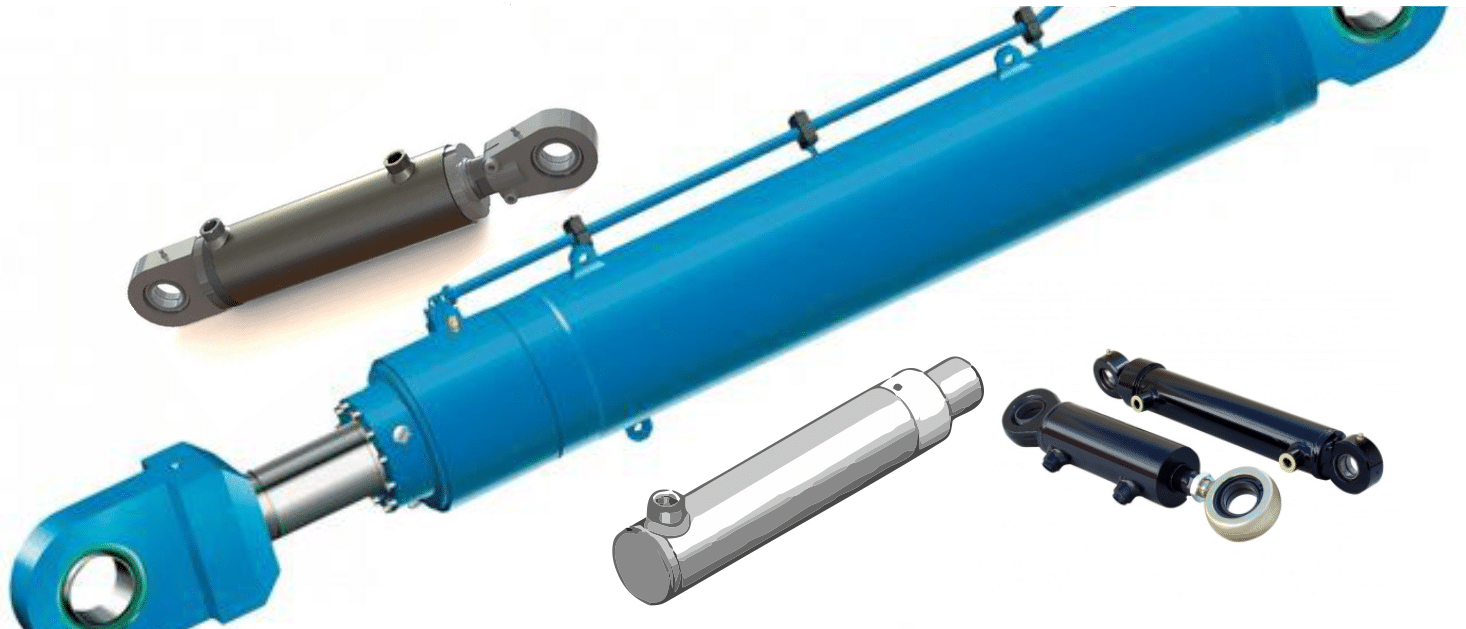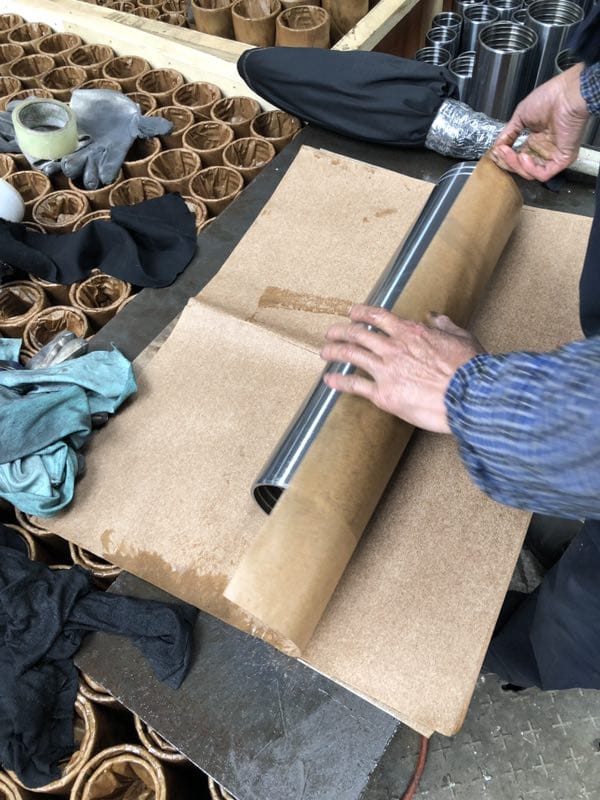
Once volumes climb past a handful of units a month, few OEMs still gain from machining every barrel, rod and gland in-house. The economics tip toward a subcontractor whose machines are already loaded with the right work. Choosing that subcontractor comes down to one thing: how they run the batch, from incoming steel to the last piece off the line.
Why a batch is a different job from a one-off
A single custom cylinder is largely a machining problem – get one accurate part off a drawing. A batch of hundreds, sometimes thousands, is a different kind of problem: tooling, fixtures and the machining programme get proven once, then have to hold without drift for the whole run. Treat series work as "the same part, many times" and a shop bleeds money on setup, then loses tolerance stability somewhere between the first piece and the last.
Glands, end caps and barrels feel this more than a generic bracket does. Seal seats, chrome-plated bores, thread classes – these carry function, not fit alone. A gland that drifts 0.02 mm between batches will still go together on the bench. What changes is seal life in the field, and the OEM only finds that out after the cylinder is installed.
Incoming material sets the ceiling
Batch stability starts before the first cut. Bar stock and forged blanks for barrels, rods and glands go against the supplier certificate for grade and heat number, and a sample gets pulled for mechanical testing. Chrome-plated rod stock gets an extra check for cleanliness.
Hardenability drift in a steel batch doesn't show up right away. Two operations later, a rod responds differently to induction hardening, and by then it looks like a tolerance deviation with nothing to do with the machine tool – the root cause was sitting in the steel all along. Catching a bad batch at incoming inspection costs little. Catching it after honing or chroming costs the whole batch.
Building a repeatable route
Once material clears inspection, the route doesn't change: turning and boring on the barrel or rod, then grinding or honing, then heat treatment or plating, then finish machining of threads and grooves. Fixtures, tool offsets and programme parameters get proven on a first-article part and locked in. Nobody re-optimises them part by part. That discipline is what turns a large order into one continuous process instead of hundreds of separate jobs.
Two decisions on the OEM's side make a real difference here. Unifying gland and end-cap geometry across bore sizes – one design, the same bolt circle, seal groove profile and thread class – lets a single set of tooling and gauges cover the whole family, with fewer changeovers and less room for drift. Keeping tolerance classes consistent across the range does something similar: H8 bores and f7 rods on every variant mean one inspection setup can serve the whole line, not a new one for each part number.
Holding tolerances from batch to batch
The real test of series production is whether part one and part eighteen hundred measure the same. That depends on catching drift in-process, long before final inspection.
Bore diameter, concentricity and chamfers get measured after each key operation, not only at the end. A drift caught right after turning is a five-minute correction; the same drift caught after chrome plating is scrap.
Statistical sampling covers dimensions that stay stable by process, but critical fits don't get sampled. Seal bores, rod diameters and thread pitch diameters go through full inspection every time, because a leaking seal seat is a warranty claim, not a cosmetic flaw.
Traceability ties every batch back to its material certificate and programme revision, and the tooling itself doesn't move for the life of the order. Re-cutting or re-programming mid-batch is the single most common way a tolerance shifts between the first part and the last.
The economics of a batch versus one-off orders
A one-off part carries the full cost of programming, tooling and first-article inspection alone. Spread that same setup cost across a full batch and unit price falls as volume grows. Material and machine time don't get cheaper – the fixed cost per part just shrinks. The second saving shows up in lead time: a shop running dedicated tooling and a proven programme for a recurring part number doesn't re-plan the job with every order, it slots a known process into whatever capacity is free. That's why standing deliveries, regular batches against a framework order, end up more predictable than one-off requests at the same annual volume.
The trade-off is flexibility. Series tooling is built around one geometry, so a real design change forces a new first-article run and often new tooling too. That's the argument for unifying gland, cap and seal geometry across bore sizes before the design is frozen, not after the first batch is already on order.
What to specify when requesting a batch
- Component type and function (barrel, rod, gland, end cap, rod end) and the cylinder series it belongs to
- Material grade and certification requirements for incoming steel
- Critical dimensions and tolerance classes, and which surfaces are functional versus non-critical
- Surface finish and coating requirements – chrome thickness, hardness after heat treatment
- Expected batch size and delivery pattern – single batch or standing deliveries
BHA runs series production of shafts, flanges, bushings and housings for hydraulic assemblies on a CNC fleet set up for repeat batches, with incoming material inspection and in-process dimensional control on every order. For requirements specific to hydraulic cylinder components, see our hydraulic cylinders page. Send a drawing and the expected batch size through our series production page and we will quote the batch, not just the part.